Mastering Volume: Converting 400 ml to centilitres for Your Beverage Recipes
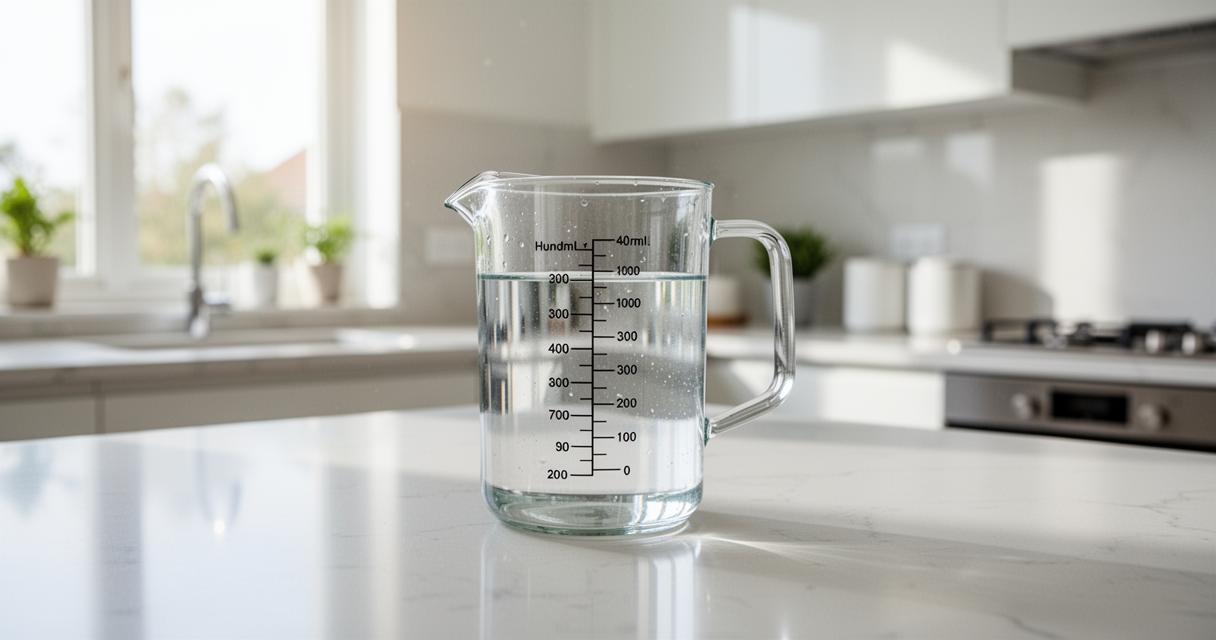
Whether you are crafting a sophisticated cocktail, following a continental cake recipe, or simply scaling up a summer drink for a crowd, accurate liquid measurement is the quiet backbone of every successful result. Understanding how to move fluently between millilitres and centilitres is a genuinely useful skill, and converting 400 ml to centilitres is a perfect starting point for mastering the broader logic of the metric system.
Key takeaways
- The metric system is based on a decimal structure where millilitres and centilitres are related by powers of ten.
- Converting millilitres to centilitres is a simple process of dividing the value by ten; therefore, 400 ml is equal to 40 cl.
- Mastering unit conversions allows home cooks and bartenders to navigate international recipes and diverse labelling conventions with ease.
- Precise liquid measurement is essential for maintaining the intended flavour, texture, and balance in both culinary dishes and cocktails.
- Using tools like graduated measuring cups with dual scales helps prevent errors and eliminates the need for complex mental calculations.
- Standardising your preferred units of measurement before beginning a recipe ensures a more consistent and efficient preparation process.
Understanding the metric system for precise liquid measurement
The metric system is built on a beautifully logical foundation: every unit is a multiple or fraction of ten. When it comes to liquid volume units, this means that millilitres, centilitres, decilitres and litres are all neatly related by powers of ten. A decilitre equals 100 ml, and a full litre equals 1,000 ml, which means the entire hierarchy of metric liquid measurements can be navigated with simple arithmetic. This elegant structure is precisely why the metric system has become the global standard for cooking, scientific measurement, and food labelling alike.
The direct mathematical relationship between millilitres and centilitres
At the heart of volume conversion between these two units lies a single, memorable rule: one millilitre is equal to 0.1 centilitres. Put another way, there are always ten millilitres in every centilitre. This means that to convert ml to cl, you simply divide the number of millilitres by ten. The relationship is direct, consistent, and requires no complicated formula — just a division by ten, every single time. By that rule, 400 ml to centilitres works out to exactly 40 cl, a clean and satisfying result that is easy to work with in any recipe context.
Simple mental calculations to divide and convert units accurately
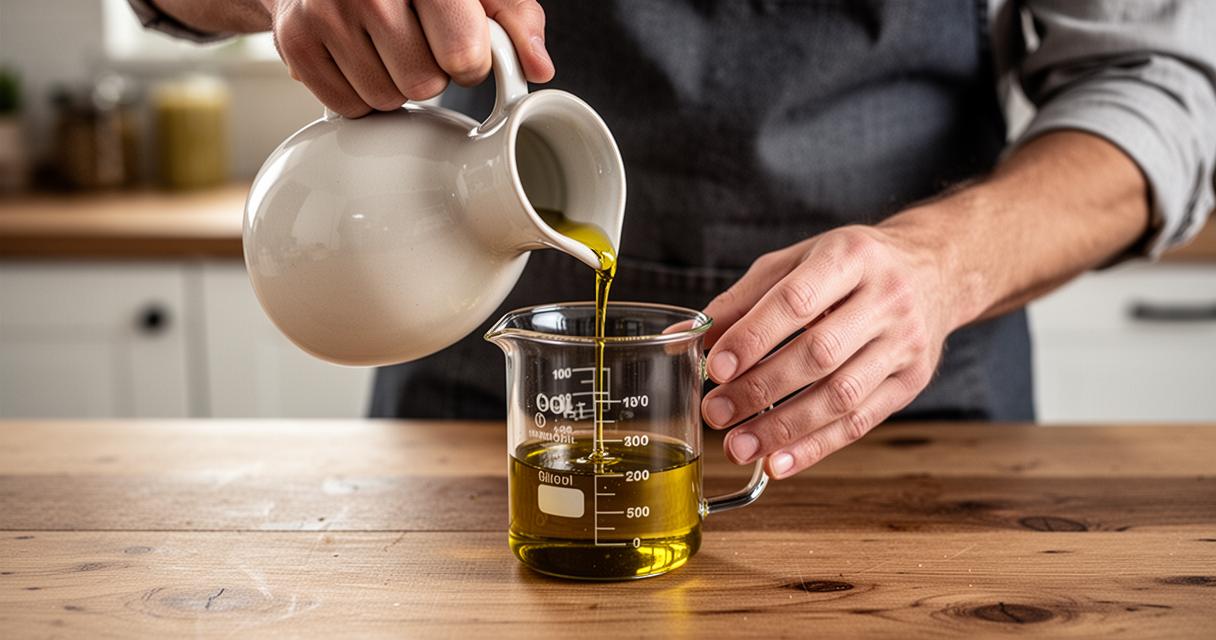
Once you have internalised the divide-by-ten principle, a whole range of metric unit equivalents becomes instantly accessible. A standard drink can holds 330 ml, which equals 33 cl. A classic wine bottle contains 750 ml, the equivalent of 75 cl. Even a larger 1.5-litre bottle translates neatly to 150 cl. These are the kinds of reference points that make kitchen measurement conversion feel natural rather than burdensome. With practice, you will find yourself reading a recipe table and translating the figures almost automatically, without reaching for a calculator or conversion chart.
Translating 400 ml to centilitres in everyday cooking and drink recipes
In practice, the conversion of 400 ml in centilitres — that is, 40 cl — appears regularly in both beverage and food preparation. European recipes, in particular, favour centilitres as the default unit for liquids, a tradition rooted in the way drink labels on the continent have historically presented beverage volume labels. If you pick up a French or Italian cookbook, you are quite likely to encounter volumes expressed in centilitres rather than millilitres, which is why bridging these two units with confidence is genuinely valuable for the home cook.
Achieving exact volumes for balanced flavours in your glasses
Precision in liquid measurement is not merely a matter of technical correctness — it directly affects the flavour, texture and balance of everything you prepare. In a cocktail, for instance, even a small deviation from the intended volume of a syrup or juice can throw off the entire profile of the drink. When a recipe calls for 40 cl of a mixer or base spirit, knowing that this is simply 400 ml allows you to measure with total confidence. The same logic applies to cooking measurements in savoury dishes: a sauce reduced to the wrong volume will taste entirely different from what the recipe intended. Accuracy, in short, is not pedantry — it is the foundation of consistently excellent results.
Using a graduated measuring cup to avoid common kitchen errors
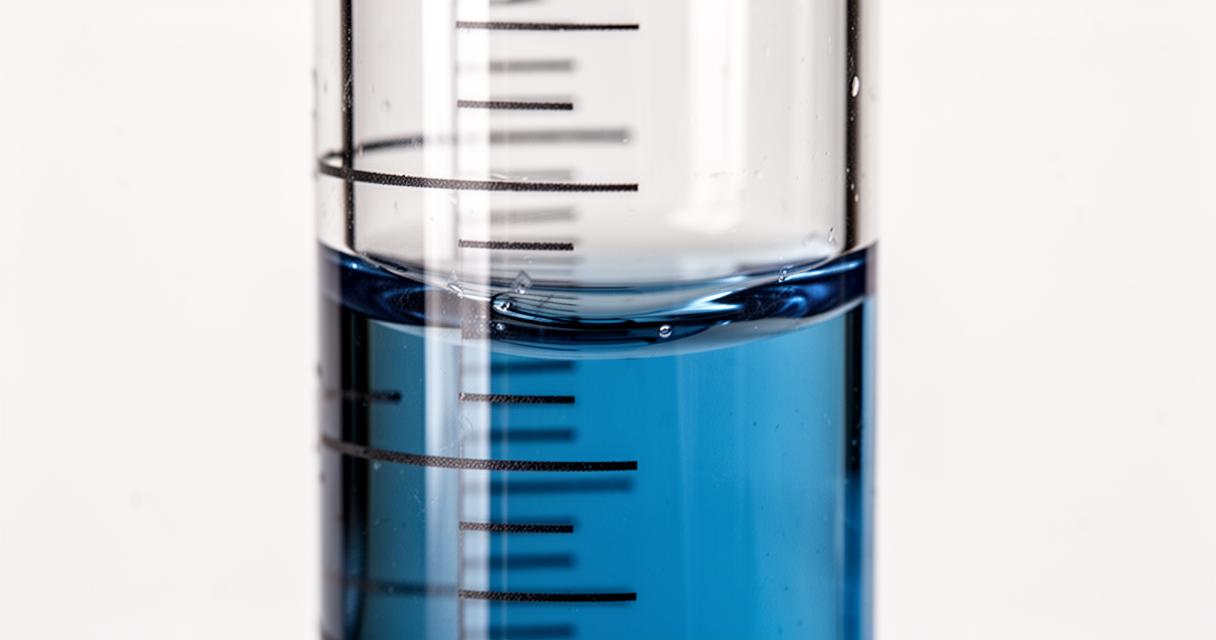
One of the most reliable tools for avoiding errors in liquid measurement is a well-made graduated measuring cup. The best ones feature dual scales printed on the side — millilitres on one column and centilitres or decilitres on the other — which means you can read your chosen unit directly without performing any mental arithmetic at all. When selecting a measuring cup for serious culinary use, look for one with clearly etched markings rather than printed ones that may fade over time. Fill the cup on a level surface and read the measurement at eye level, from the bottom of the meniscus, to achieve the most accurate reading possible. These small habits transform an approximate pour into a genuinely precise one.
Practical applications of volume conversions for home culinary success
The ability to move fluently between different liquid measurement units unlocks a much wider repertoire of recipes. Many online and printed recipes originate in countries where specific conventions hold sway: American recipes tend to favour millilitres and fluid ounces, while European ones often use centilitres or decilitres. Understanding the underlying conversions means you are never locked out of a recipe simply because the units are unfamiliar. Common reference points worth memorising include 100 ml equalling 10 cl, 150 ml equalling 15 cl, and 200 ml equalling 20 cl — a short mental table that covers a surprising number of real-world situations.
Reading liquid recipe tables with complete confidence
Recipe tables can look intimidating when they mix units, but the metric system’s internal logic makes them far more manageable than they first appear. A recipe calling for 10 cl of honey, for example, is asking for exactly 100 ml — a full decilitre. Once you recognise these equivalences, you can scan a column of measurements and translate them mentally in seconds. Food recipe measurements become a language you speak fluently rather than a puzzle you must decode each time. This fluency also makes it much easier to scale recipes up or down: multiplying or dividing centilitres and millilitres by any factor remains straightforward because the metric system is entirely decimal.
Standardising your measurement approach for consistently great results
Perhaps the most powerful step any home cook or home bartender can take is to standardise their approach to measurement across all their recipes. Rather than switching between different units depending on the source of a recipe, choose a primary unit — whether millilitres or centilitres — and convert everything into that unit before you begin. Write your own adapted version of the recipe with unified measurements, and you will find the process of preparation far smoother. Over time, this habit builds a deep intuitive familiarity with liquid volume that makes improvisation easier and mistakes far rarer. The investment in precision at the measurement stage pays dividends in every dish and drink you create.
Mastering metric system conversions for liquids is ultimately less about mathematics and more about building a reliable mental framework. Once you know that dividing by ten always converts millilitres to centilitres, and that 400 ml equals 40 cl, you have the core of that framework in place. From there, every other baking ingredient conversion, every beverage recipe, and every scaled-up batch becomes a straightforward application of the same simple principle.