Ancient Symbols and the Divine Presence: Connecting to the Infinite

Across every civilisation that has walked this earth, humanity has reached beyond the visible world in search of something greater. From the earliest cave paintings to the illuminated manuscripts of medieval scriptoria, sacred symbols have served as bridges between the mortal and the infinite. They are not merely decorative motifs; they are concentrated expressions of spiritual consciousness, carrying within them the weight of ancient wisdom and the yearning of the human soul for divine connection.
In brief
- Sacred symbols have served throughout human history as vital bridges connecting the mortal world to the infinite and the divine.
- The concepts of the Shekhina in Jewish mysticism and the Holy Spirit in Christianity emphasize that the divine presence seeks to dwell intimately within the world and the human heart.
- Sacred geometry, including patterns like the Flower of Life and Metatron’s Cube, reflects a belief that the cosmos is an expression of underlying divine intelligence.
- Symbols such as the cross, the Ankh, and the lotus serve as enduring metaphors for spiritual transcendence, redemption, and the soul’s journey toward awakening.
- Many traditions view the human body not as a barrier, but as a vessel through which the divine presence is manifested and balanced with the soul.
- Engaging with sacred imagery helps individuals navigate the complexities of life by fostering a deeper connection to a transcendent source of wisdom and care.
Sacred motifs and the manifestation of spiritual light
Understanding the shekhina and the holy spirit in ancient texts
Within the Abrahamic traditions, the concept of divine presence takes many forms, each one rich with theological meaning and spiritual depth. The shekhina, a term drawn from Jewish mystical thought, refers to the dwelling or settling of the divine upon the earth — a luminous, tangible manifestation of God’s closeness to His creation. In the Hebrew scriptures and later in Kabbalistic writings, the shekhina is described not as an abstract force but as an intimate presence, a light that fills sacred places and illuminates the heart of those who seek it. Similarly, the holy spirit in Christian theology represents the living breath of God moving within the world and within individual souls, guiding, consoling and transforming those who open themselves to its action.
These two concepts, though emerging from distinct traditions, share a common vision: that the divine presence is not confined to a remote heaven but seeks to dwell within the world and within human beings themselves. Ancient texts, from the book of Exodus to the Gospel of John, return again and again to this theme — the lord drawing near, the spirit descending, the sacred made manifest in ordinary life. The motif of divine light appearing to man is one of the most enduring in all of religious literature, and it finds its echo in the visual symbols that cultures have created across millennia.
How symbols reflect the divine presence within the human heart
Sacred geometry offers one of the most compelling languages for expressing these spiritual truths. The Flower of Life, for instance, symbolises creation, unity, and the underlying patterns of existence, suggesting that all living things share a common source. Metatron’s Cube, built upon this same geometric foundation, is said to represent the very structure of the universe — a visual testament to the idea that the cosmos itself is an expression of divine intelligence. Such symbols do not merely describe the outer world; they speak to something within the individual, awakening a sense of recognition that transcends rational understanding.
The Sri Yantra carries a similar resonance, representing the cosmic blueprint of creation and the union of complementary energies. Used as a meditation symbol across centuries, it invites the practitioner to move beyond the surface of the physical world and into a deeper state of awareness. The Tree of Life, found in both Jewish mysticism and broader esoteric traditions, signifies the unity of all life and the connection between earth and heaven — a reminder that the human body and soul are not separate from the divine source but are, in a profound sense, its living expression.
Exploring the testament of faith through historic symbols

The role of christ and scripture in revealing sacred truths
In the Christian tradition, the cross stands as the most immediately recognisable of all sacred symbols, carrying within its simple form the entire weight of a theology of love and redemption. It speaks of the wounds that love is willing to bear, of the relation between suffering and transformation, and of the permanent effect that the life of Christ has had upon the spiritual history of humanity. For believers, the cross is not a symbol of defeat but of passage — a testament to the conviction that love is stronger than death and that the divine presence endures beyond every form of loss.
The Gospel of John, in particular, dwells on the theme of light as a metaphor for the divine. Christ is described as the light of the world, a source of illumination that the darkness cannot overcome. This imagery connects seamlessly with the broader symbolic vocabulary of sacred traditions: the Ankh of ancient Egypt, which symbolises eternal life and spiritual transcendence, the Eye of Horus representing protection and divine awareness, and the infinity symbol embodying the concepts of endlessness and regeneration. Each of these, in its own way, points towards the same intuition — that life, at its deepest level, is rooted in something that neither time nor the damage inflicted by the physical world can ultimately destroy.
Connecting the body and soul to the source of eternal love
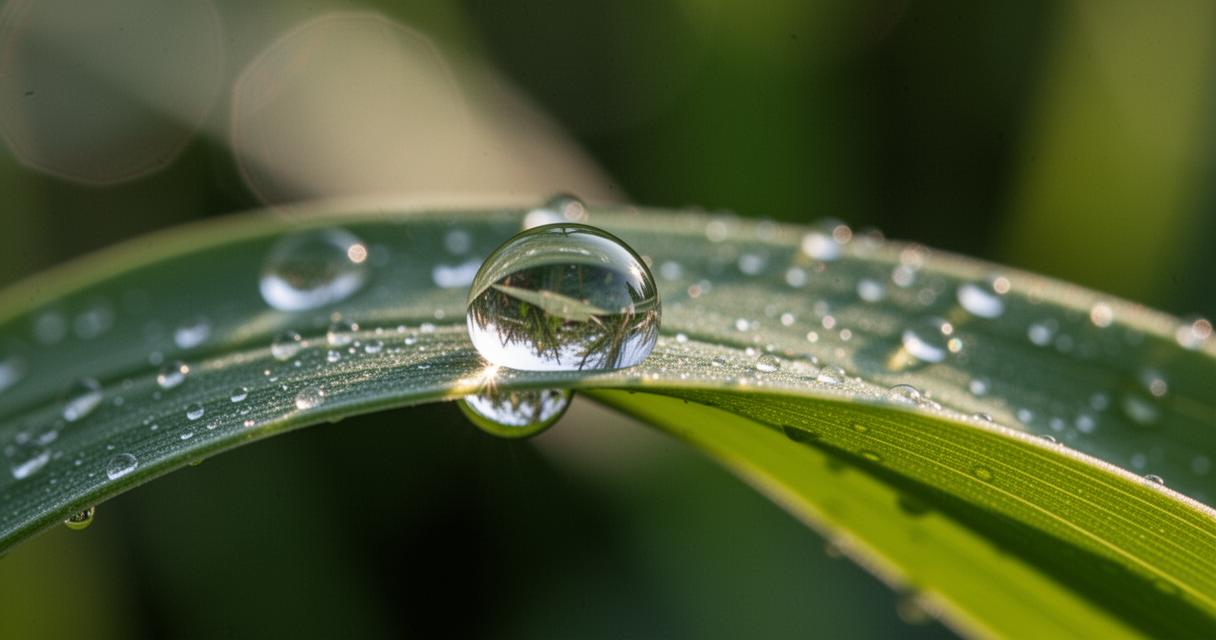
One of the most remarkable aspects of sacred symbolism is the way it insists on the dignity of the body alongside the soul. The Vesica Piscis, a form created by the intersection of two circles, represents unity, creation, and sacred balance — an image that speaks eloquently of the relation between the material and the spiritual, the human and the divine. Rather than dealing with the body as a mere obstacle to spiritual life, many traditions see it as a creature through which the divine presence is made visible in the world.
The Yin Yang symbol captures this vision with elegant simplicity, representing the balance and interconnectedness of opposites in Taoist philosophy. It reminds us that light and shadow, body and spirit, the individual and the universal are not enemies but partners in the great dance of existence. Sacred imagery, in this sense, does not deal in absolutes; it holds complexity, inviting the viewer to sit with paradox and find within it a deeper harmony.
The permanent effect of sacred imagery on the individual
Navigating the physical world through spiritual guidance
The enduring power of sacred symbols lies in their ability to orient the individual within the often bewildering complexity of the physical world. The Hamsa, known across several religious traditions, is worn as a sign of protection from negative energy, offering its bearer a tangible reminder of the divine care that surrounds them. The Eye of Providence, associated with divine guidance and higher awareness, has appeared in sacred architecture and spiritual art across centuries, a motif that speaks to the universal human desire to know that one is seen and watched over by a benevolent presence.
Spiritual growth, in many traditions, is understood precisely as this process of learning to navigate the world not by the light of one’s own limited understanding alone, but by opening oneself to a source of wisdom that transcends the individual. The Lotus flower, which rises from muddy water to bloom in perfect purity, is perhaps the most beloved symbol of this journey — signifying spiritual awakening, the overcoming of challenges, and the emergence of the soul into its full, luminous life.
Finding deeper meaning and connection in sacred places
Sacred places have always served as focal points where the individual feels the divine presence most keenly. Whether it is a cathedral filled with the geometry of light, a forest clearing where silence seems to speak, or a temple adorned with the ancient symbols of a living tradition, such places invite a quality of attention and openness that transforms the one who enters them. The Ouroboros, the ancient image of a serpent consuming its own tail, symbolises the eternal cycle of creation and destruction — a reminder that every end is also a beginning, and that the source of life is inexhaustible.
In this light, esoteric knowledge and sacred imagery are not the preserve of specialists or mystics alone. They belong to every human being who has ever looked up at the night sky and felt, however briefly, that the universe is not indifferent — that there is, at the heart of all things, a presence that is both infinitely greater than ourselves and intimately close. The permanent effect of engaging with sacred symbols is not merely intellectual enrichment; it is a deepening of one’s relation to life itself, to the lord of all creation, and to the love that, according to every great spiritual tradition, holds the whole world in being.